Welcome to Shandong Junzheng Chemical Technology Co., Ltd.











Products
Navigation
Send Us A Message
Dibutyl Phthalate
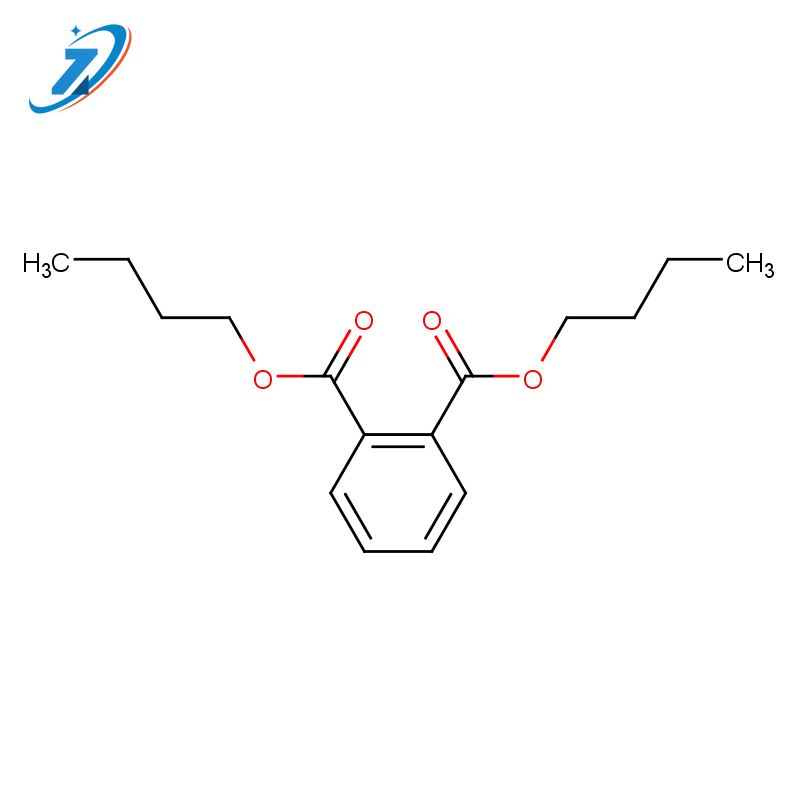
Molecular Formula: C16H22O4
Molecular Weight: 278.34
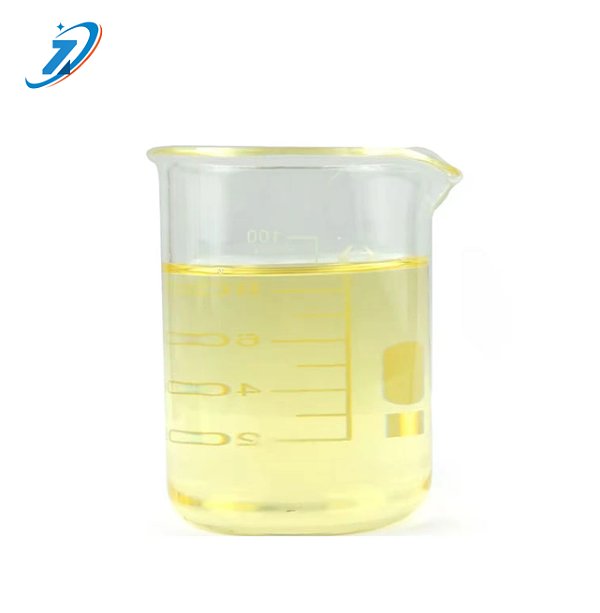
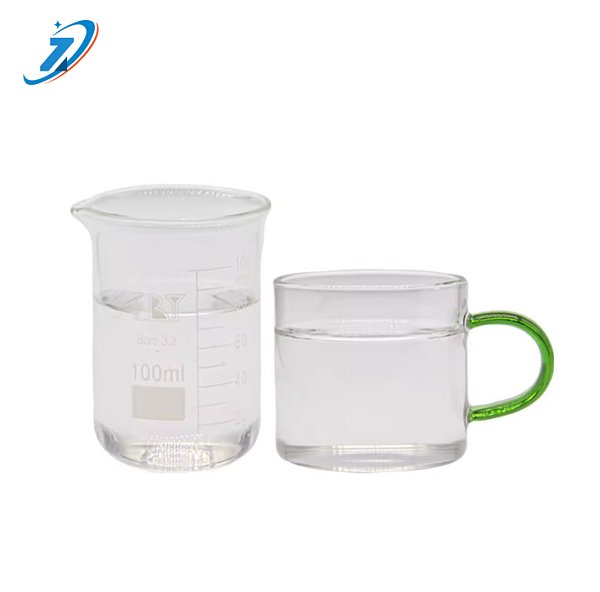
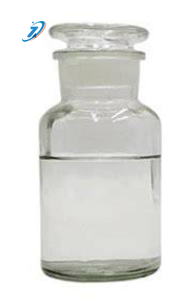
Dibutyl phthalate is a colorless oily liquid at room temperature, with a slight aromatic odor and no suspended matter. The color intensity of the superior grade product (Pt-Co number) is ≤20, and the purity is ≥99.5%.
Safety Information
Product Usage
Dibutyl Phthalate (DBP) is a widely used primary plasticizer, mainly applied in the processing of Polyvinyl Chloride (PVC) to provide excellent flexibility, stability, and adhesion. Due to its superior solvating power, it is frequently used as a solvent and softener in nitrocellulose lacquers, vinyl coatings, and adhesives, significantly improving the elongation and toughness of the film. In the adhesives industry, DBP is a crucial plasticizing component for polyacetate vinyl (white glue) and other formulations. Additionally, it is applied in rubber additives, pigment solvents, and the manufacturing of industrial products such as artificial leather and mine conveyor belts.


Delivery Time
Inventory 2-3 working days New manufacturing 7-10 working days
Mode of Transportation
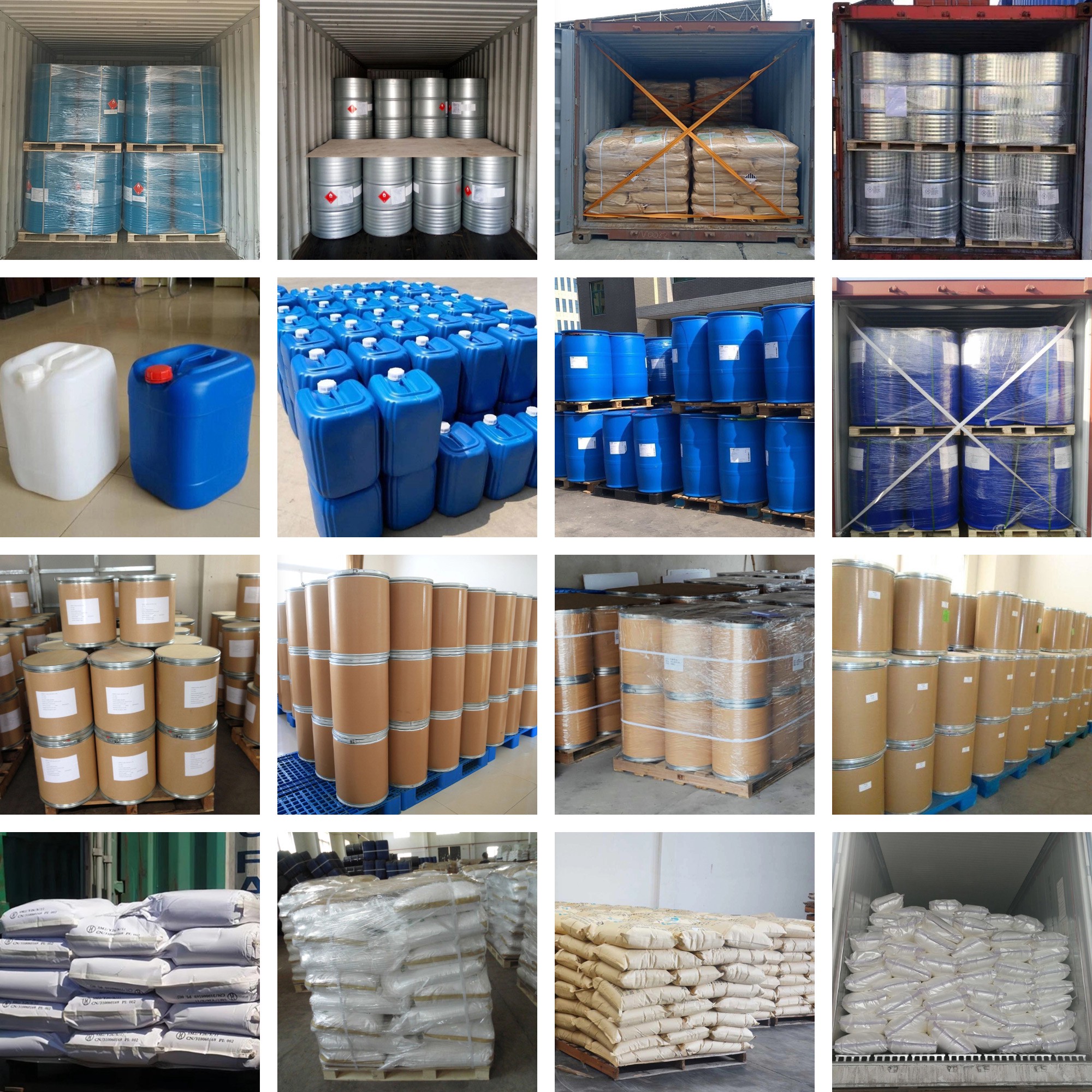
1. By Air, fast but expensive.
2. By Sea, usual and economy.
3. By Train, suit for middle Asia countries.
4. By Express, suit for small package.
We only provide highest quality goods available, accompanied by after support!
Q1: Are Your Products Compliant With International Standards?
A1: Yes, our company holds a number of internationally recognized core certifications. All production and operation activities strictly follow international environmental, safety and quality standards, and each batch of products is accompanied by a compliance test report to meet the chemical industry requirements in different regions around the world.
Q2: Do You Provide Customized Product Services?
A2: Yes, we have a professional R&D team and refined production capacity. We can customize chemical products of different specifications and performances according to customers' specific needs, and provide full-process technical support to meet the personalized application needs of downstream industries.
Q3: What Is The Approximate Delivery Cycle Of The Products?
A3: The delivery cycle varies according to product type, order quantity and destination. We have a complete global supply chain system to ensure fast and safe delivery of goods. For specific cycle, you can consult our sales team for detailed information.
Q4: How To Obtain Product Samples?
A4: You can contact our customer service or sales team to specify the specific model and specification of the required samples. We will provide free samples according to the actual situation, and the sample express fee can be negotiated.
 PolyacrylamideCAS No.: 9003-5-8
Molecular Formula: C3H5NO
Molecular Weight: 71.08 Anhydrous Citric AcidCAS No.: 77-92-9
Molecular Formula: C6H8O7
Molecular weight: 192.12 Paraffin WaxCAS No.: 8002-74-2
Molecular Formula: C21H27NO3
Molecular weight: 341.44398 Sorbitan Fatty Acid EstersCAS No.: 1338-41-6
Molecular Formula: C24H46O6
Molecular Weight: 430.62 Tween 80CAS No.: 9005-65-6
Molecular Formula: C24H44O6
Molecular Weight: 428.60 Hydroxypropyl Methyl celluloseCAS No.: 9004-65-3
Molecular Formula: C3H7O*
Molecular Weight: 59.08 Sodium MetabisulfiteCAS No.: 7681-57-4
Molecular Formula: Na2O5S2
Molecular Weight: 190.095 DI-N-OCTYL PHTHALATECAS No.: 117-84-0
Molecular Formula: C24H38O4
Molecular Weight: 390.56