Welcome to Shandong Junzheng Chemical Technology Co., Ltd.











Products
Navigation
Send Us A Message
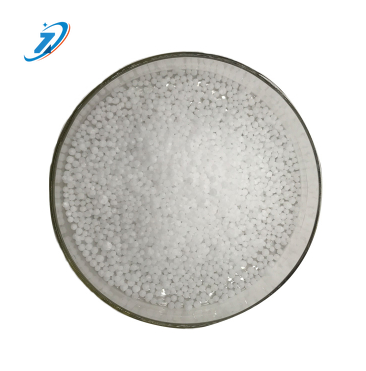
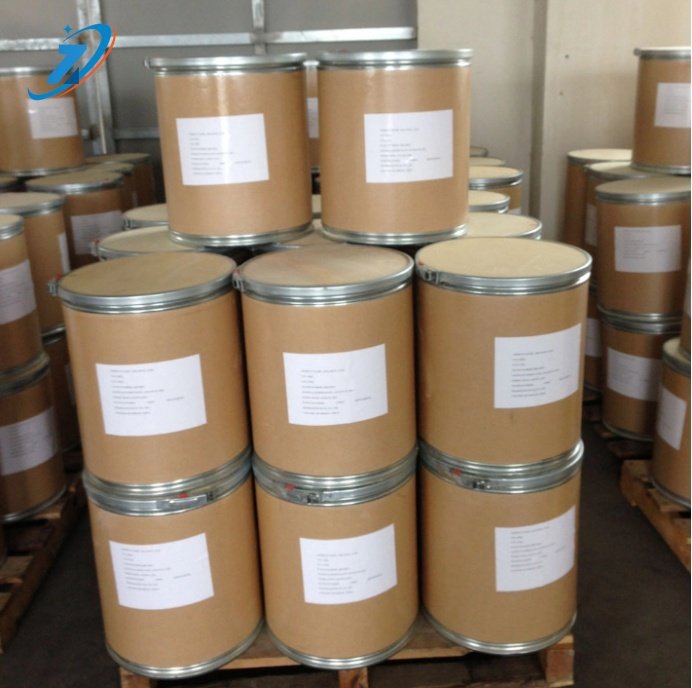
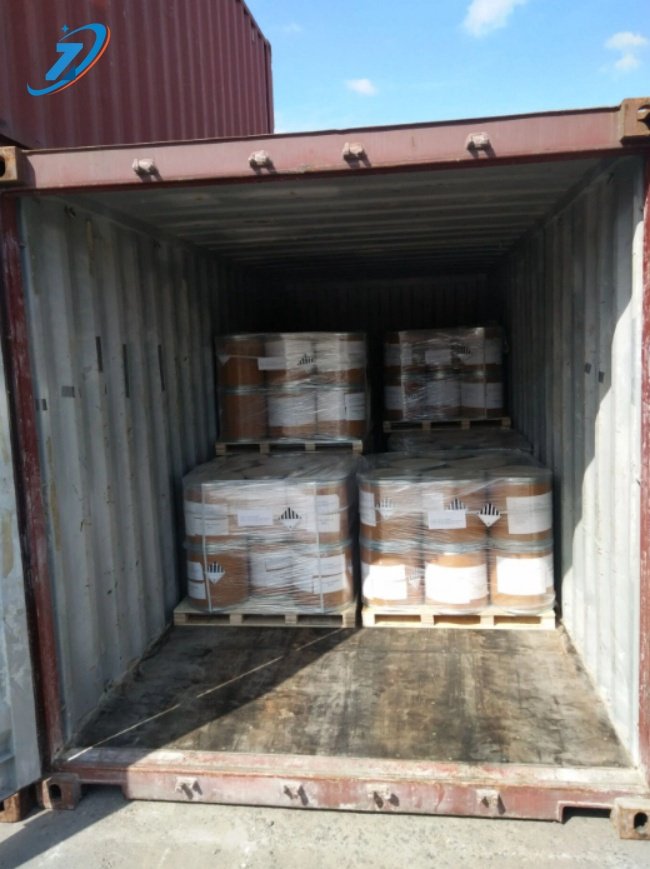
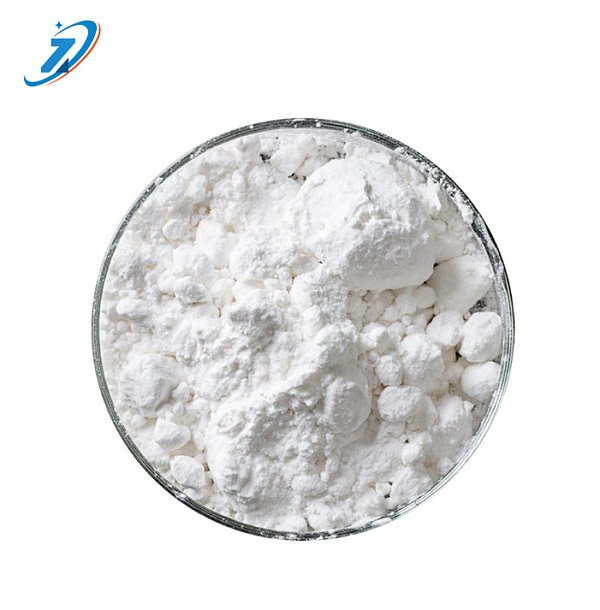
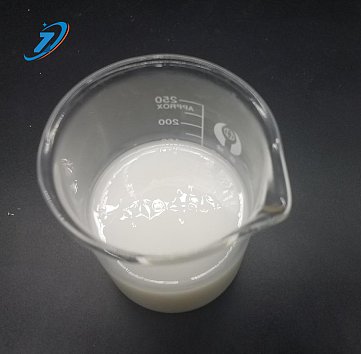
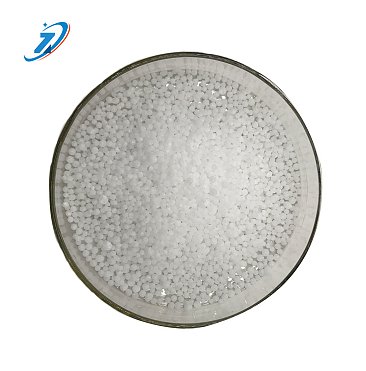
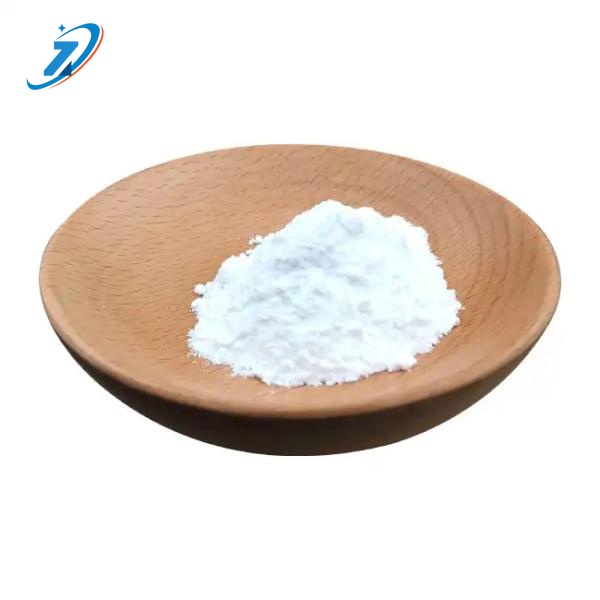
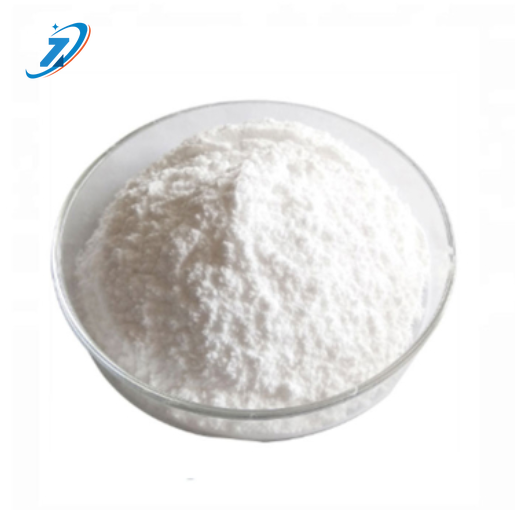
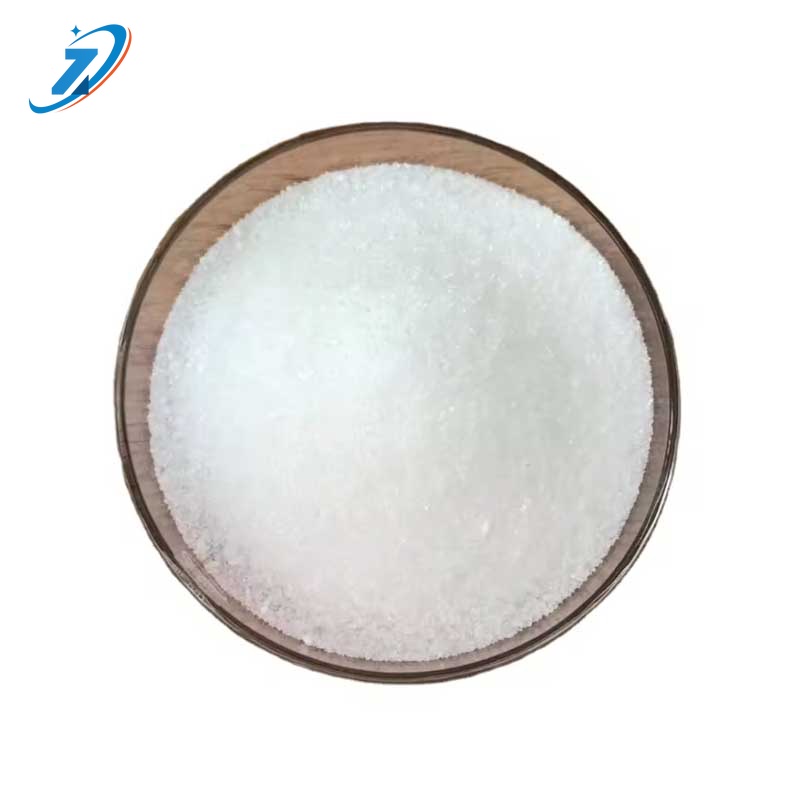
Sodium hydroxide
Molecular Formula: NaOH
Molecular weight: 39.99711
Chemical Properties
Safety Information
Product Usage
Sodium hydroxide has a broad range of applications. In chemical experiments, it serves not only as a reagent but also as an alkaline desiccant due to its strong hygroscopic properties. Caustic soda plays a vital role in the national economy, with numerous industrial sectors relying on it. The largest consumer is the chemical manufacturing industry, followed by paper production, aluminum and tungsten smelting, viscose fiber manufacturing, and soap production. It is also used in the manufacture of dyes, plastics, pharmaceuticals, organic intermediates, reclaimed rubber, metal sodium electrolysis, water treatment, and inorganic salt production such as borax, chromium salts, manganates, and phosphates.
Industrial sodium hydroxide must meet the requirements of national standard GB209-2006;
Industrial ion-exchange membrane sodium hydroxide should comply with GB/T11199-89;
Sodium hydroxide for chemical fiber should meet GB11212-89;
Food-grade sodium hydroxide must conform to GB5175-85.
In industrial contexts, sodium hydroxide is commonly referred to as caustic soda, a name derived from its ability to cause severe skin burns upon contact with concentrated solutions. It dissolves proteins, making alkali burns slower to heal than acid burns. A 0.02% solution instilled into rabbit eyes can damage the corneal epithelium. Toxicity data include: mouse intraperitoneal LD50 of 40 mg/kg and rabbit oral LDLo of 500 mg/kg. Dust can irritate the eyes and respiratory tract, corrode the nasal septum, and damage skin—especially mucous membranes—producing soft scabs that may penetrate deeply and leave permanent scars.


Delivery Time
Inventory 2-3 working days New manufacturing 7-10 working days
Mode of Transportation
1. By Air, fast but expensive.
2. By Sea, usual and economy.
3. By Train, suit for middle Asia countries.
4. By Express, suit for small package.
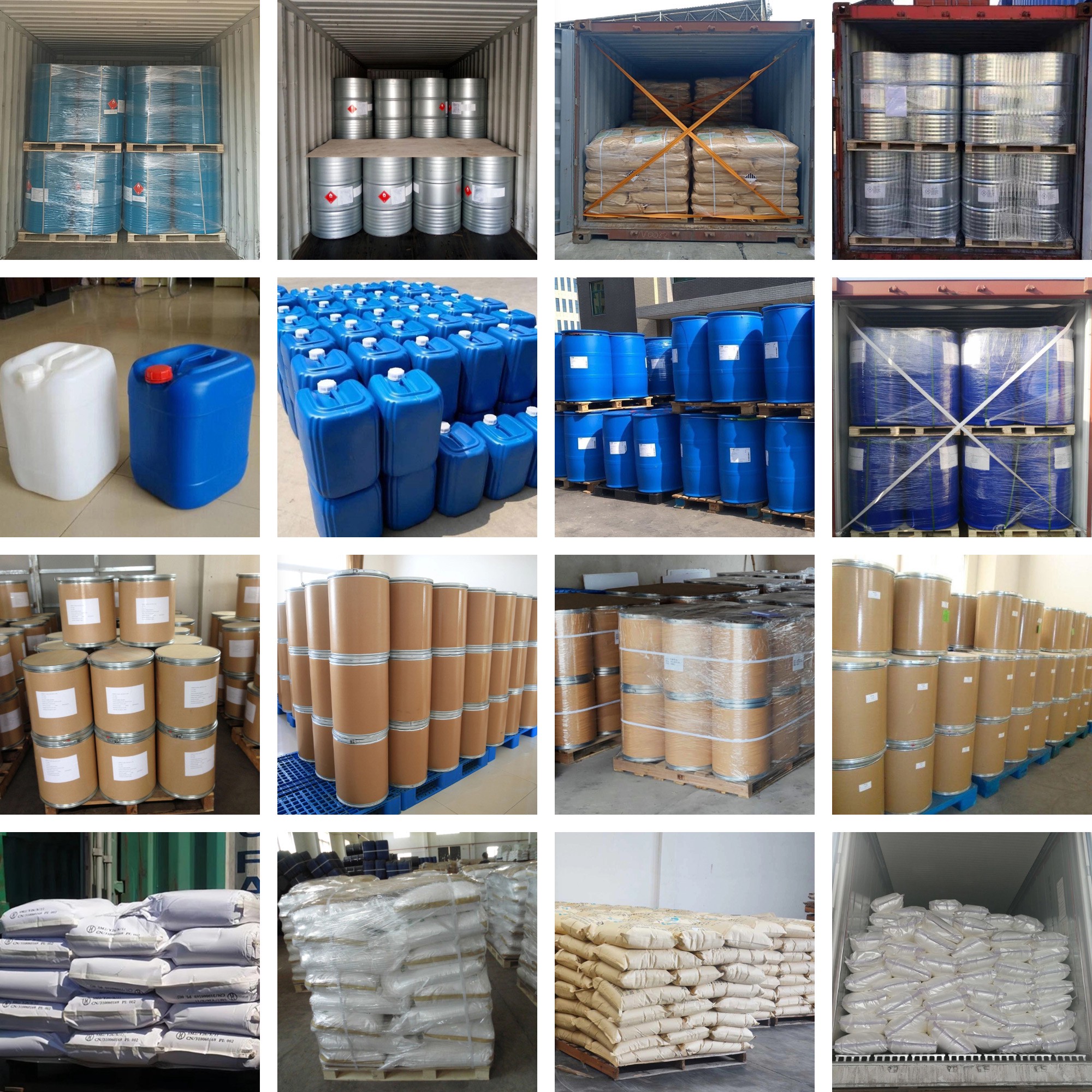
We only provide highest quality goods available, accompanied by after support!
Q1: Are Your Products Compliant With International Standards?
A1: Yes, our company holds a number of internationally recognized core certifications. All production and operation activities strictly follow international environmental, safety and quality standards, and each batch of products is accompanied by a compliance test report to meet the chemical industry requirements in different regions around the world.
Q2: Do You Provide Customized Product Services?
A2: Yes, we have a professional R&D team and refined production capacity. We can customize chemical products of different specifications and performances according to customers' specific needs, and provide full-process technical support to meet the personalized application needs of downstream industries.
Q3: What Is The Approximate Delivery Cycle Of The Products?
A3: The delivery cycle varies according to product type, order quantity and destination. We have a complete global supply chain system to ensure fast and safe delivery of goods. For specific cycle, you can consult our sales team for detailed information.
Q4: How To Obtain Product Samples?
A4: You can contact our customer service or sales team to specify the specific model and specification of the required samples. We will provide free samples according to the actual situation, and the sample express fee can be negotiated.
 Sodium amideCAS No.: 7782-92-5
Molecular Formula: H2NNa
Molecular weight: 39.01 Oxalic AcidCAS No.: 144-62-7
Molecular Formula: C2H2O4
Molecular weight: 90.03 Sodium hydroxideCAS No.: 1310-73-2
Molecular Formula: NaOH
Molecular weight: 39.99711 MethanolCAS No.: 67-56-1
Molecular Formula: CH4O
Molecular weight: 32.04 N,N-DimethylformamideCAS No.: 68-12-2
Molecular Formula: C3H7NO
Molecular weight: 73.09 Ethylene glycolCAS No.: 107-21-1
Molecular Formula: C2H6O2
Molecular weight: 62.07 AnilineCAS No.: 62-53-3
Molecular Formula: C6H7N
Molecular weight: 93.13 FormaldehydeCAS No.:50-00-0
Molecular Formula:CH2O
Molecular weight:30.03